
The second day of the Education Forum 2026 focused on one central question: how can ideas about education reform be turned into real action inside schools, universities, and institutions?
While Day One explored the challenges facing education in Lebanon, Day Two shifted attention to implementation, how leadership, governance, curriculum, and technology can realistically work together to support schools, teachers, and students.
Throughout the day, speakers repeatedly returned to one shared understanding: education reform cannot succeed through isolated efforts. It requires coordination, clear roles, trust between institutions, and long-term commitment.
Day Two opened with a keynote address by H.E. Dr. Kamal Shehadi, Minister of the Displaced and Minister of State for Technology and Artificial Intelligence. His remarks focused on technology and artificial intelligence in education, not as tools to be adopted quickly, but as systems that require careful planning and responsibility.
Dr. Shehadi emphasized that digital tools should support education rather than replace teachers or deepen inequalities between schools. He stressed that technology must be guided by clear policies, proper teacher preparation, and ethical standards. Without coordination at the national level, he warned, digital initiatives risk becoming fragmented and unfair.
His address set the tone for the day by framing technology as a public responsibility, not a shortcut or trend.
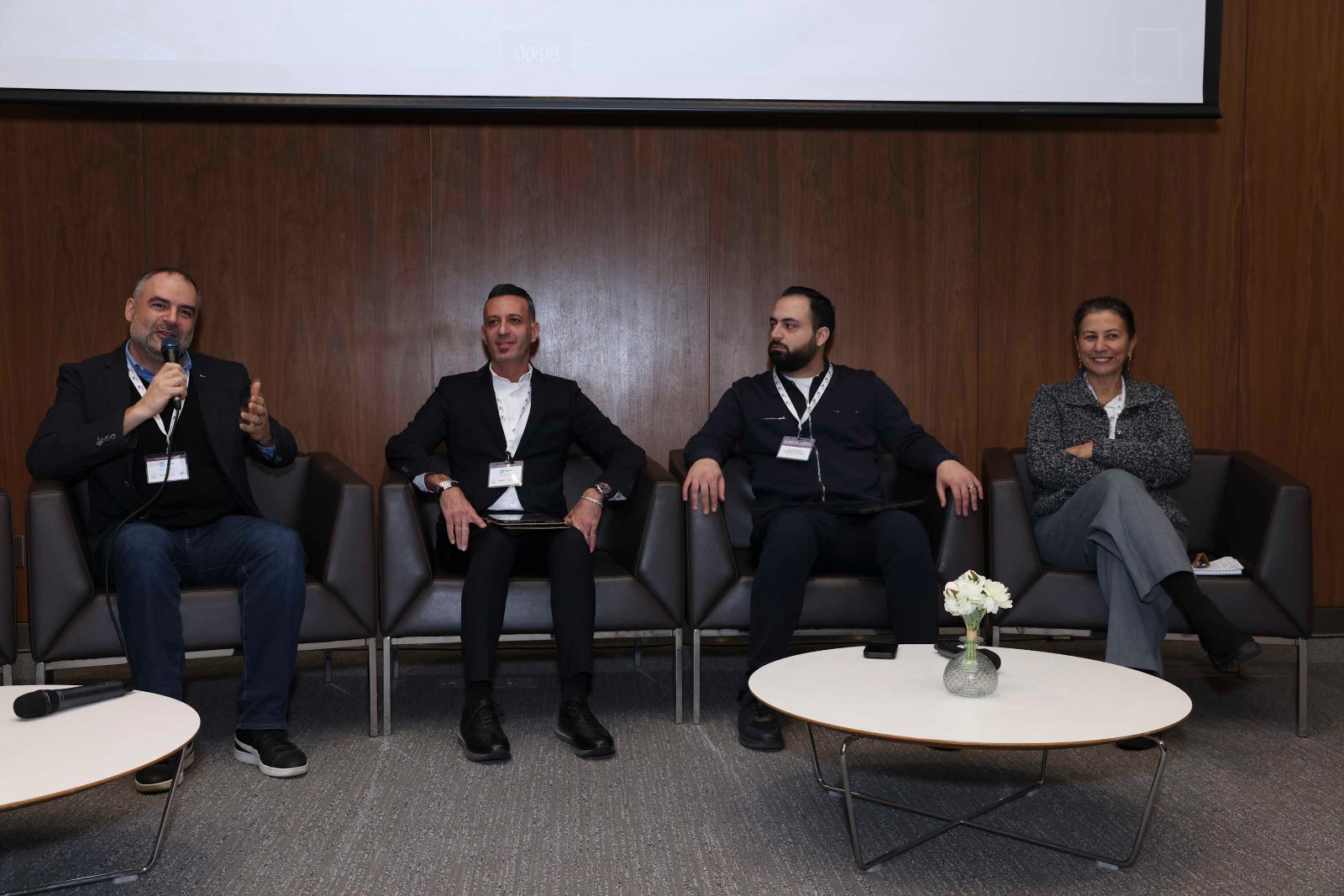
The first panel focused on innovation and alternative approaches to learning, grounded in real school experience.
Dr. Nayla Zreik Fahed, Co-Founder and CEO of the Lebanese Alternative Learning NGO, spoke about students who do not always fit traditional education models. She highlighted the need for flexibility in learning paths, assessment methods, and school structures, particularly for students who struggle within rigid systems.
Her intervention emphasized that innovation does not always mean technology, but often begins with rethinking how students learn and how success is defined.
Mr. Majed Fayad, Director and Head of Senior School at Shouf National College, addressed the challenges school leaders face when trying to introduce change. He spoke about limited resources, teacher fatigue, and the pressure schools operate under. He stressed that reform must be gradual and realistic, and that school leadership plays a central role in building trust and managing change.
His contribution highlighted that successful innovation depends on strong leadership and stable governance, not only good ideas.
Mr. Yassine Zein, Head of the STEAM Center at International College, discussed STEAM education as an approach that encourages problem-solving and interdisciplinary thinking. He clarified that STEAM is not about equipment or labels, but about how subjects are taught and connected. Teacher preparation, he noted, remains central to meaningful learning.
Discussions then moved toward curriculum development and system alignment.
Prof. Hiyam Ishak, President of the Center for Educational Research and Development (CRDP), spoke about the gap between curriculum planning and classroom practice. She emphasized that curriculum reform must be supported by teacher training, assessment alignment, and institutional support. Without these elements, curriculum changes risk remaining on paper rather than improving learning outcomes.
Her remarks highlighted the importance of coordination between policy frameworks, institutions, and schools.
Dr. Kamal Abouchedid, Professor of Education and Director of the Center for Applied Research in Education at Notre Dame University, focused on the role of universities in education reform. He stressed that many initiatives are launched without proper evaluation or follow-up.
Universities, he argued, can support schools by documenting experiences, studying outcomes, and helping build shared knowledge over time. His intervention emphasized collaboration between universities and schools as essential for sustainable reform.
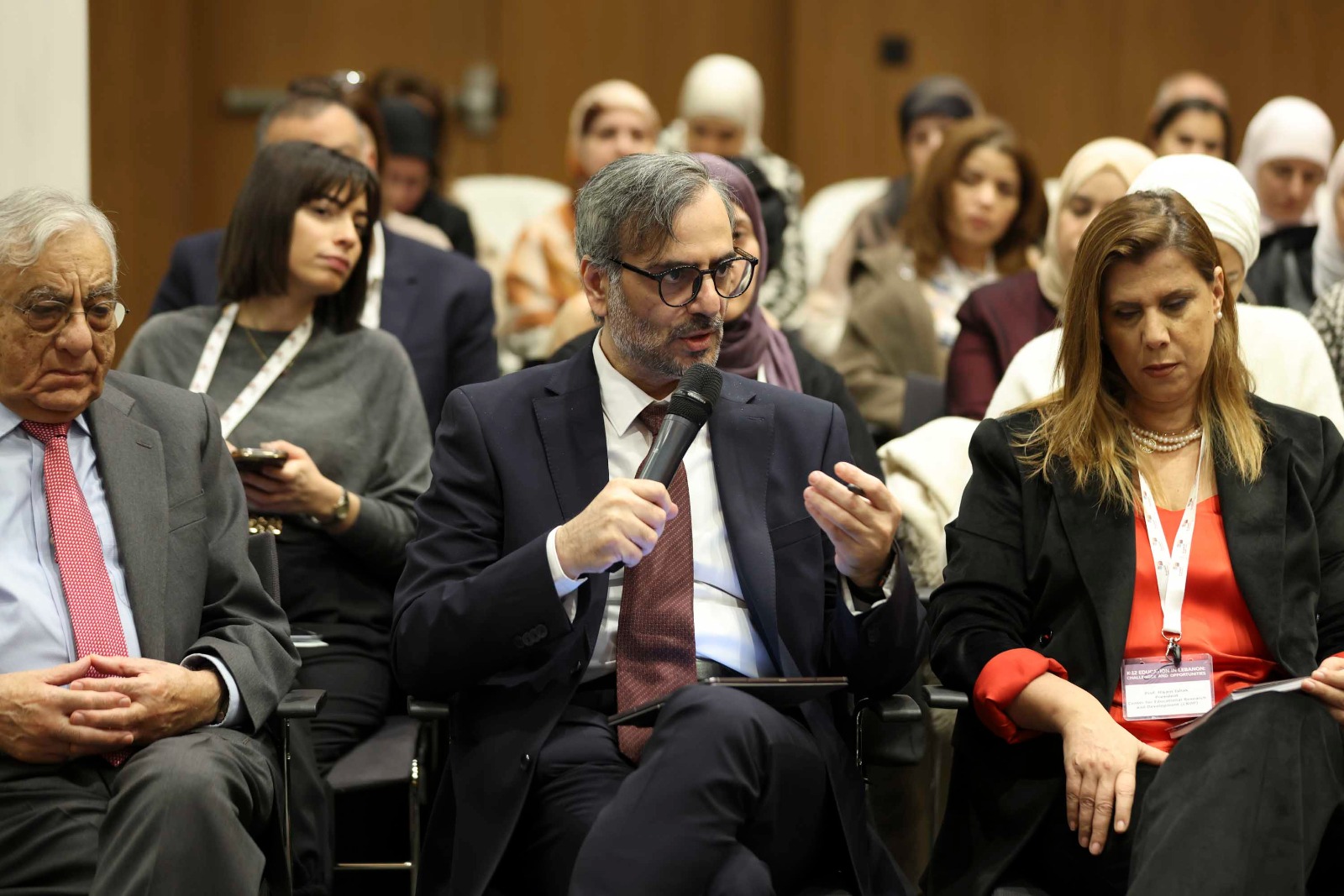
Governance and leadership were central themes in the next discussions.
Mrs. Nayla Khoury Daoun, Principal of Beirut Annunciation Orthodox College, spoke about the importance of clear roles, accountability, and shared decision-making within schools. She emphasized that strong internal structures help schools remain stable, especially during periods of crisis.
Mr. David Gray, Principal of Brummana High School, addressed the use of international education programs. While acknowledging their value, he stressed the importance of adapting them to local contexts rather than applying them without considering students’ realities and needs.
Dr. Adnan El Amine, Professor of Educational Sciences at the Lebanese University and Advisor to the Minister of Education, raised concerns about inequality in education. He emphasized that education should be treated as a public good, not a privilege, and warned that systems allowing large gaps between schools risk reinforcing inequality.
Ms. Moulouk Mehrez, Principal of Saba Zreik High School for Boys, spoke from the perspective of schools working in challenging conditions. She highlighted the importance of discipline, care, and student dignity, reminding participants that reform must reach all schools—not only those with greater resources.
Father Youssef Nasr, Secretary General of Catholic Schools, discussed the role of faith-based schools as part of the national education system. He emphasized cooperation across school networks and shared responsibility for student development.
Ms. Ayat Noureddine, Director of the Educational Resource Center at Al-Mabarrat Association, focused on inclusive education and the need to support vulnerable learners. She highlighted teacher training and early intervention as key elements of meaningful inclusion.
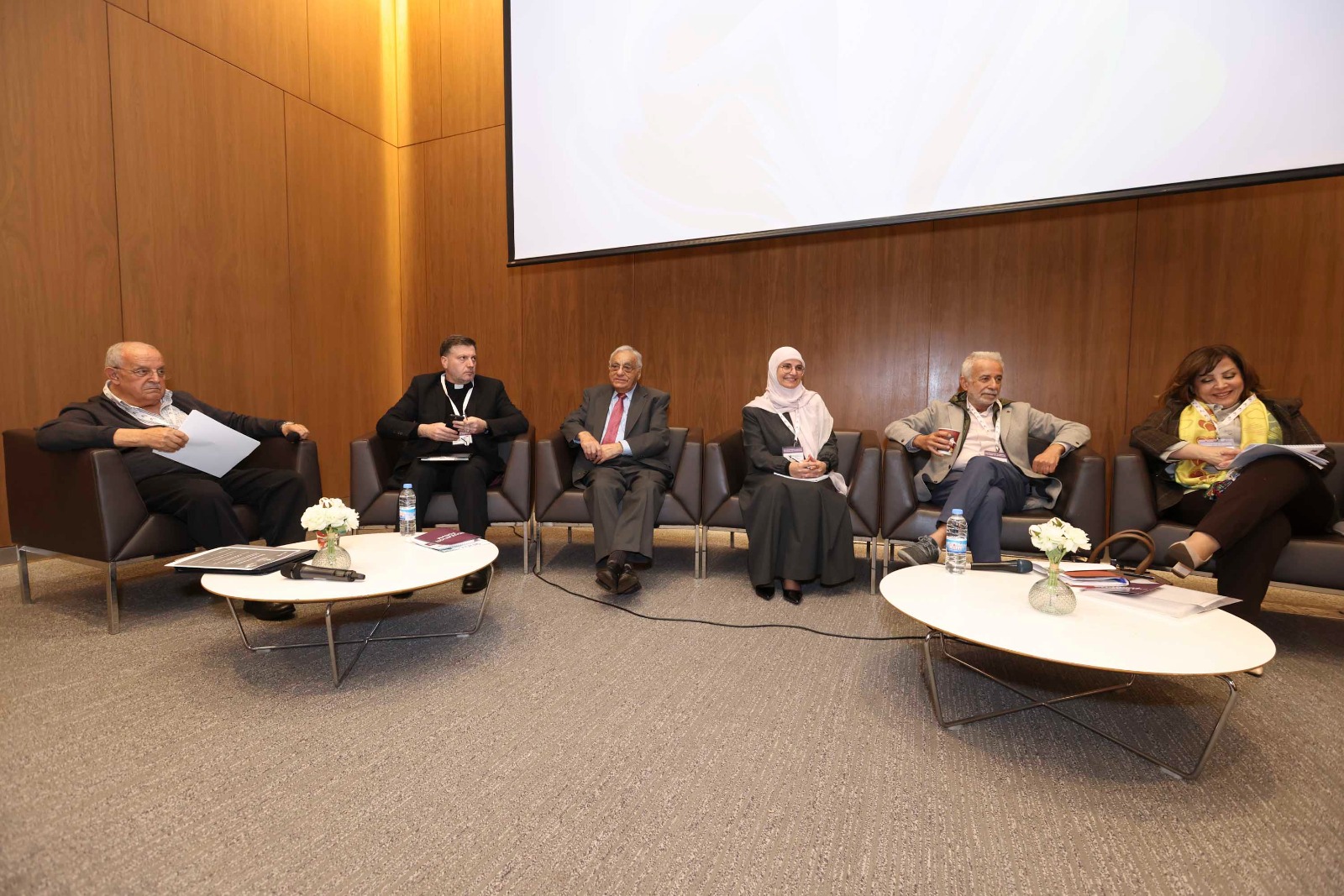
All sessions on Day Two were conducted in panel format, bringing together speakers from different backgrounds to exchange perspectives rather than deliver individual lectures. This structure allowed for comparison between policy, academic research, and school-level practice, and encouraged open and meaningful dialogue.
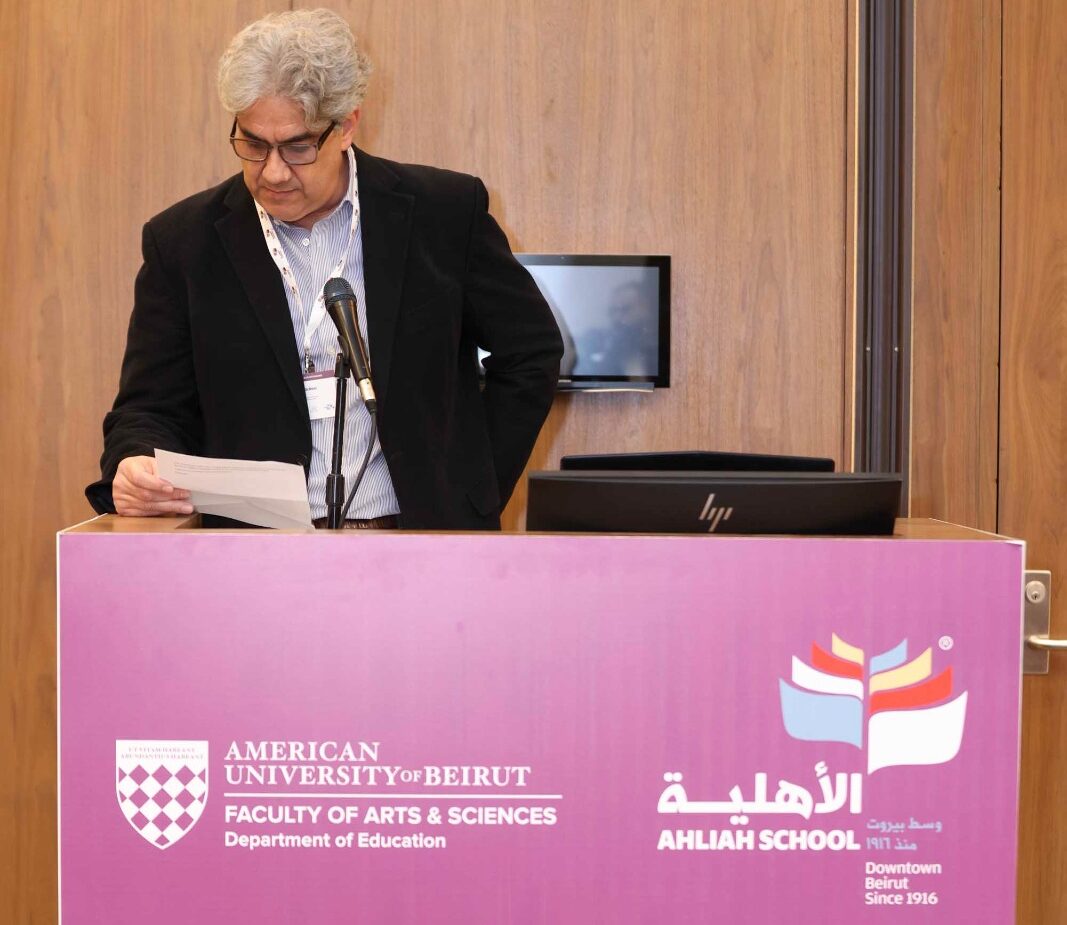
The day opened under the moderation of Dr. Naseem Daher, Associate Professor of Electrical and Computer Engineering at the American University of Beirut, who moderated the first session and set a focused and structured tone for the discussions.
Subsequent panels were moderated by Ms. Fida Ibrahim, Head of Middle and Upper Divisions at Ahliah School, and Dr. Saouma Boujaoude, Acting Dean of the Faculty of Arts and Sciences at the American University of Beirut and Member of the Ahliah School Board of Trustees.
Together, the moderators ensured balanced discussion, smooth transitions between panels, and active engagement between speakers and participants. Their facilitation was central to managing audience interventions, encouraging dialogue, and keeping discussions aligned with the forum’s core themes.
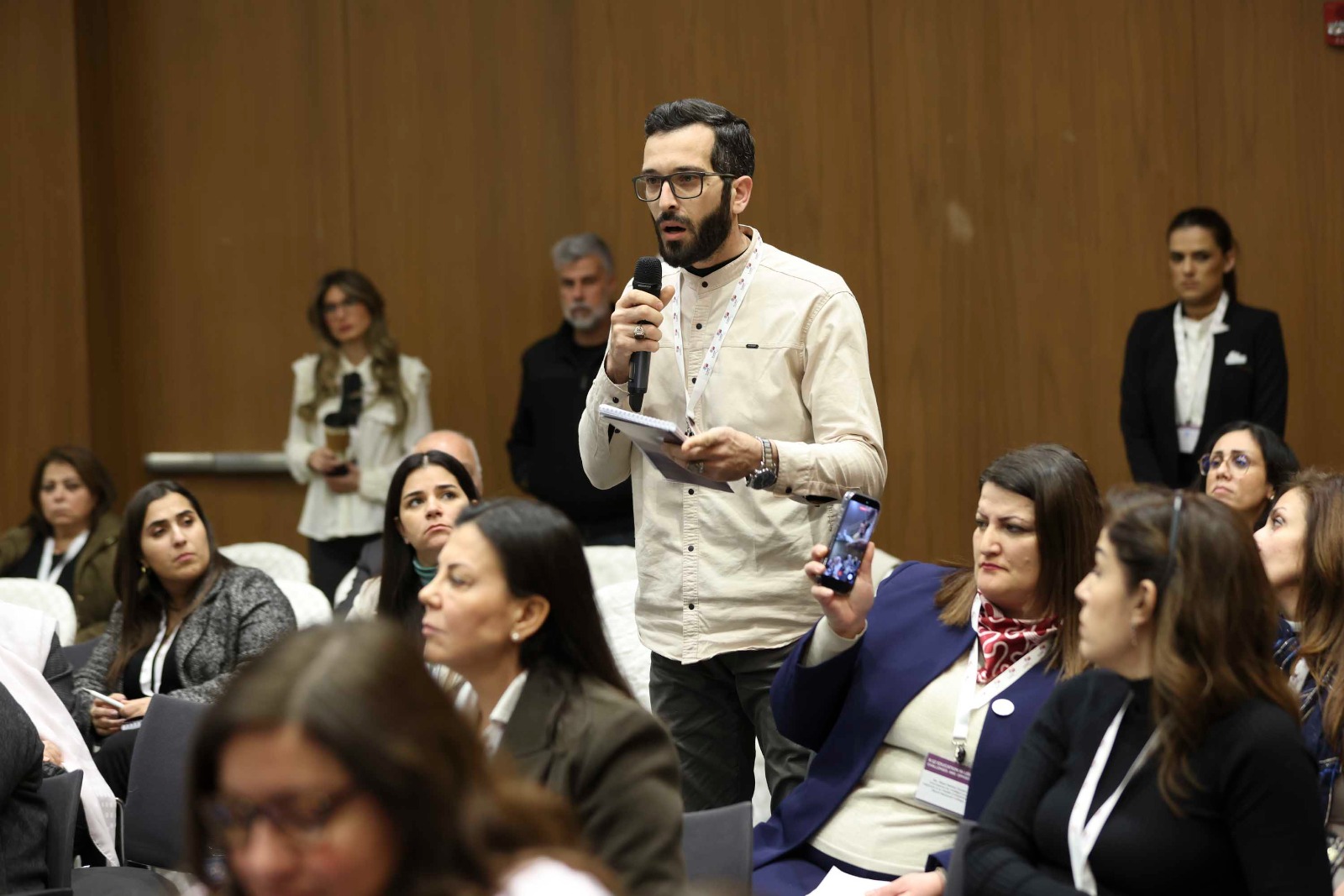
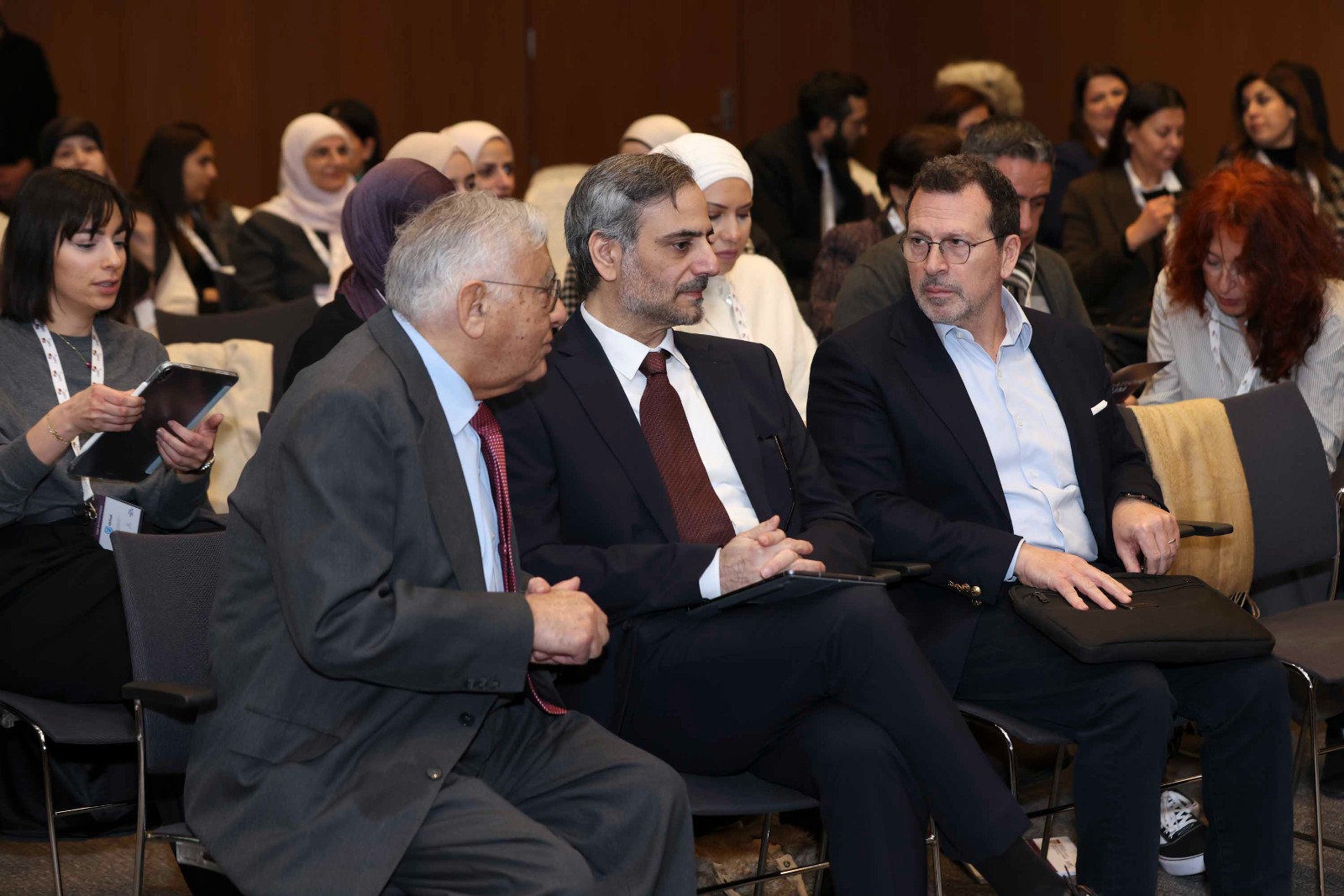
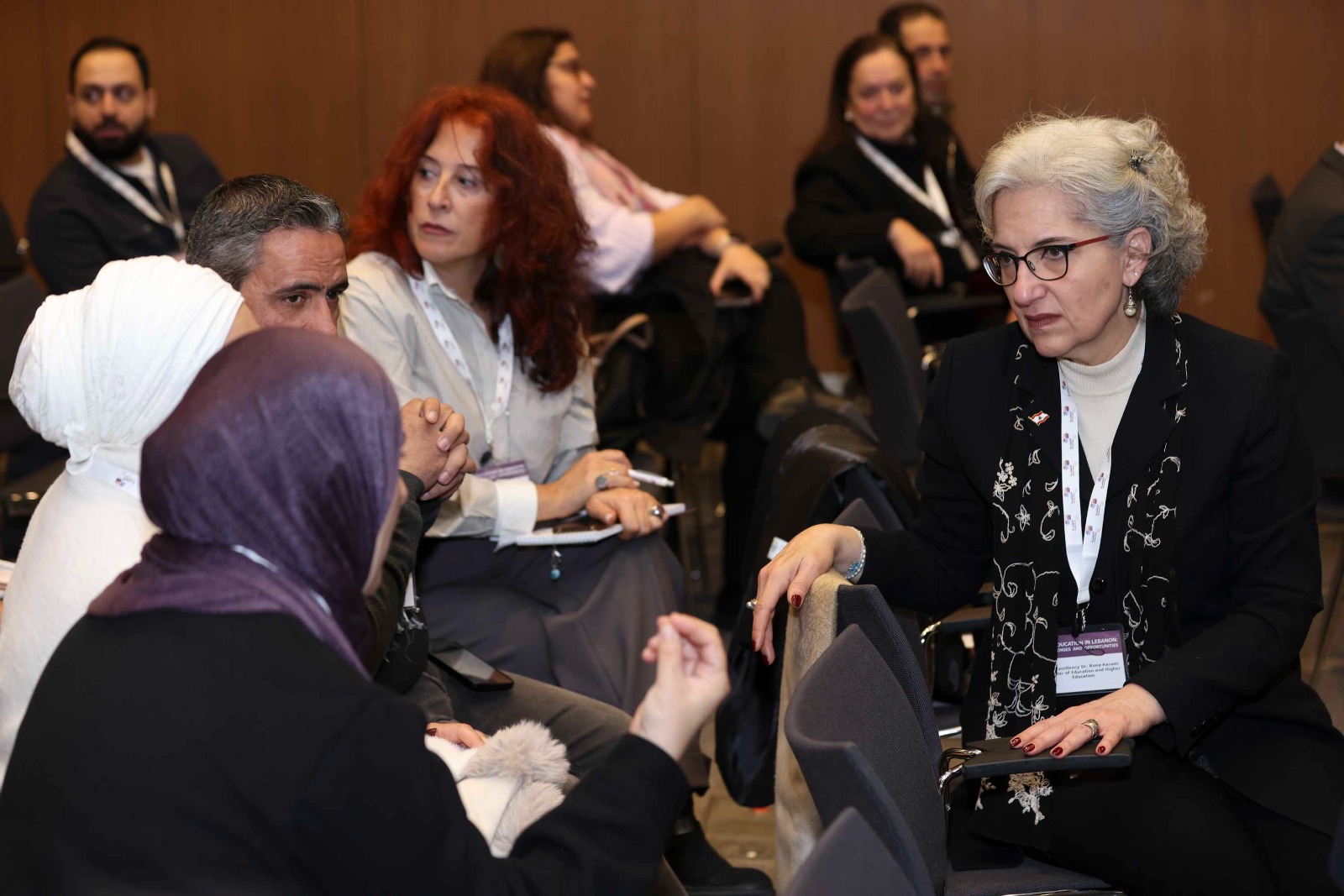
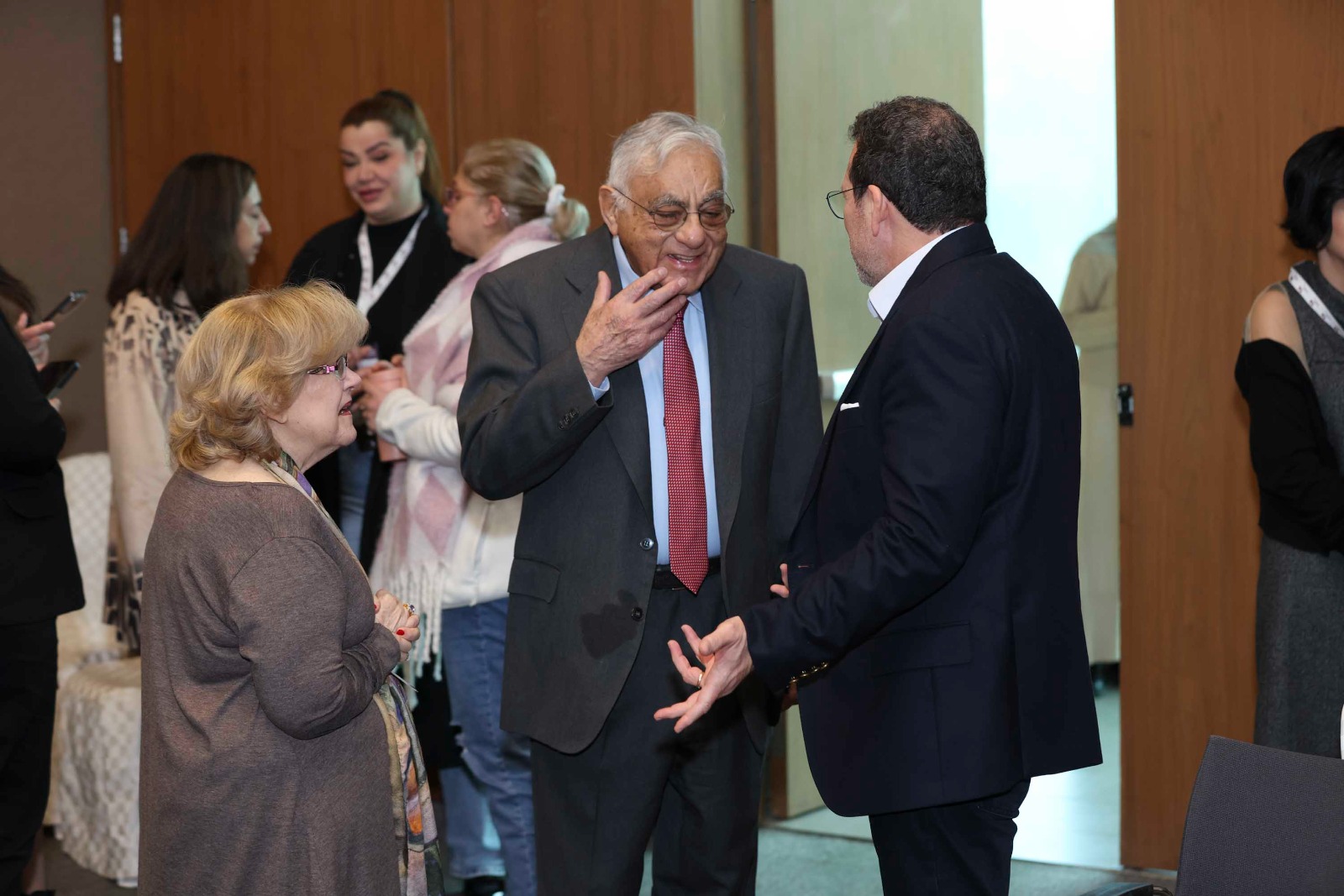
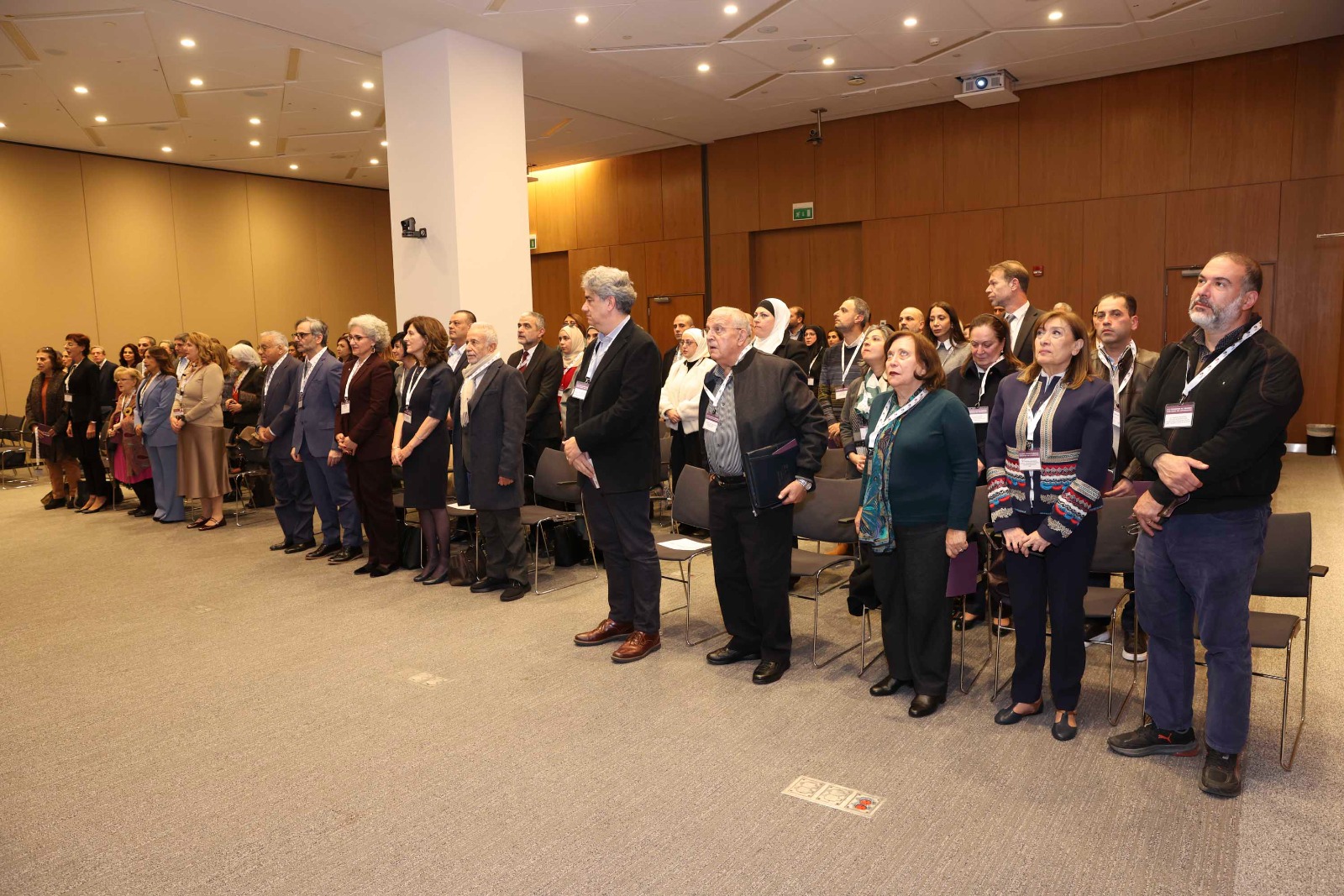
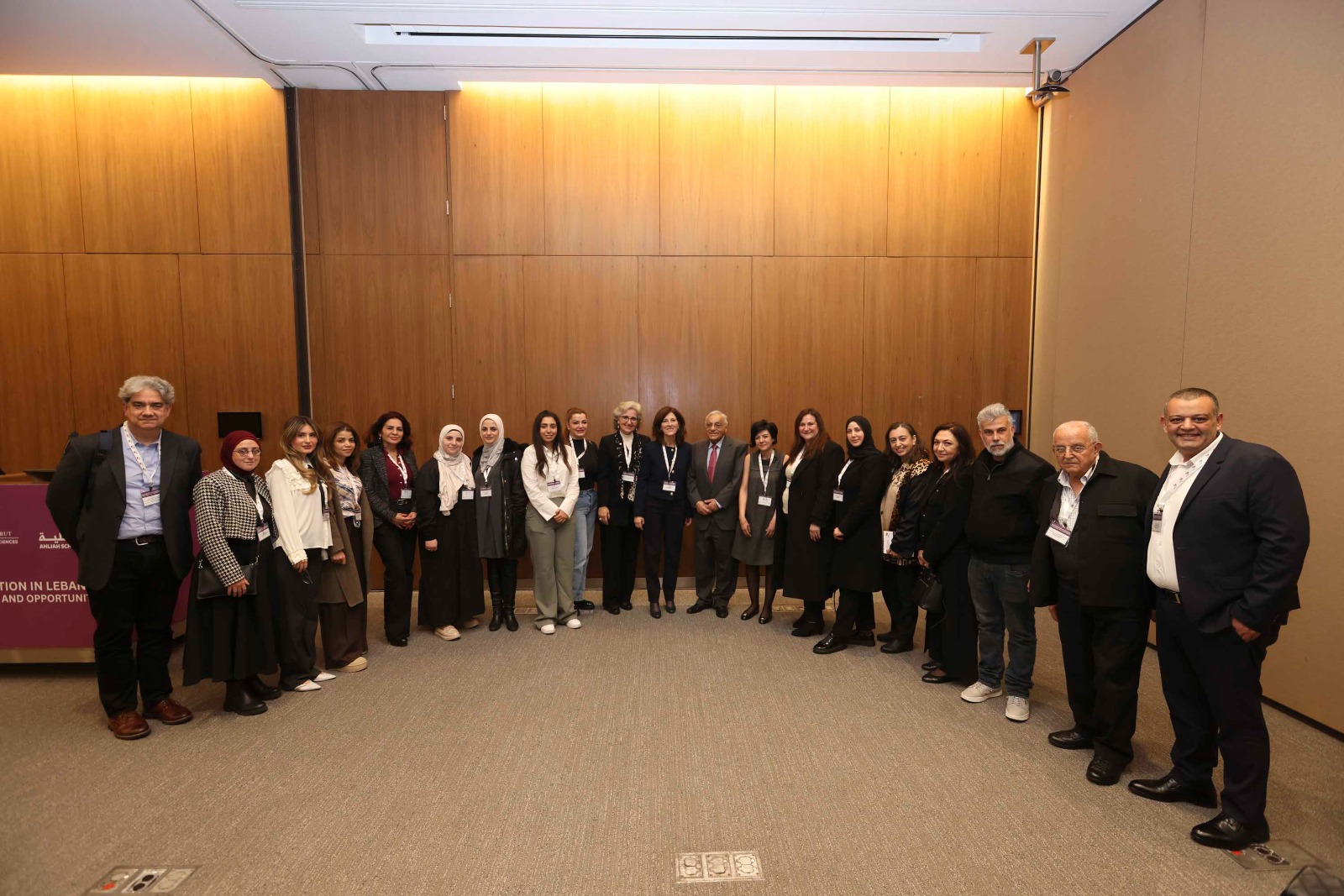
What distinguished Day Two of the Education Forum 2026 was not only the content of the panels, but the presence and active involvement of the audience. Participants came from across Lebanon, representing a wide range of public and private schools, urban and rural contexts, large institutions, and smaller school communities.
School principals, vice principals, coordinators, teachers, university faculty, and education professionals filled the room, bringing diverse experiences and concerns. Rather than remaining passive listeners, audience members engaged actively throughout the sessions.
Questions were frequent and thoughtful, reflecting both curiosity and urgency. Participants asked about real challenges they face in their schools, how to implement change with limited resources, how to support teachers under pressure, how to balance innovation with curriculum requirements, and how governance decisions affect daily school life.
Many questions connected directly to speakers’ interventions, showing close attention and genuine interest. Others drew on participants’ own experiences, allowing discussions to move beyond theory and into lived educational realities. This exchange between panelists and the audience enriched the conversations and highlighted common concerns shared across schools, regardless of sector or region.
Day Two of the Education Forum 2026 showed that Lebanon’s education sector holds deep experience, commitment, and willingness to engage. What emerged clearly was the need to move from discussion to coordinated action, built on trust, shared responsibility, and long-term planning.
Rather than offering quick solutions, the day highlighted the importance of alignment between policy and practice, between schools and universities, and between innovation and governance. In doing so, it reinforced the forum’s broader message: meaningful education reform is a collective effort that requires patience, collaboration, and responsibility.